In the ever-evolving landscape of fitness technology, a new wave of applications has emerged, focusing on the symbiotic relationship between music and movement. Among these, apps that synchronize music BPM (beats per minute) with running cadence have garnered significant attention from both casual joggers and serious athletes. These tools are not merely about providing a soundtrack for a run; they represent a sophisticated fusion of biomechanics and auditory stimulation, designed to enhance performance, endurance, and overall enjoyment.
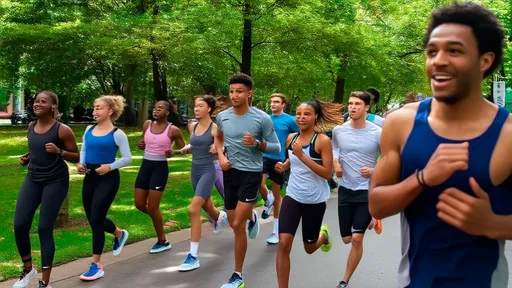
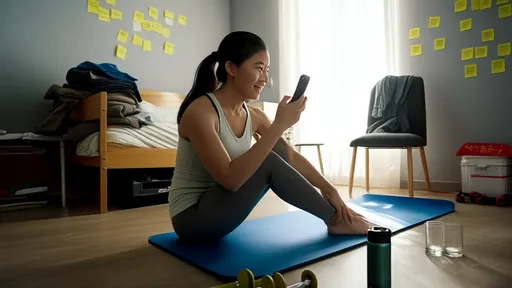
The concept is rooted in the natural human tendency to synchronize movement with rhythm. From ancient tribal dances to modern-day exercise classes, rhythm has always been a powerful motivator and coordinator of physical activity. For runners, maintaining an optimal cadence—typically between 160 and 180 steps per minute—is crucial for efficiency and injury prevention. However, achieving and sustaining this cadence can be challenging, especially during long or intense sessions. This is where BPM-matching apps come into play, leveraging the motivational power of music to guide and stabilize a runner’s pace.
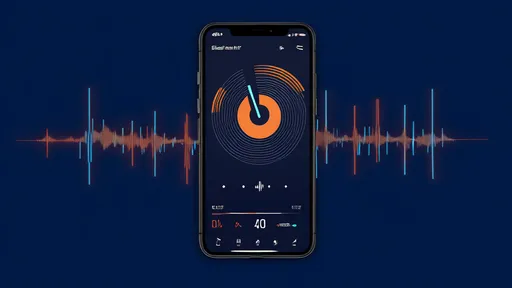
At the core of these applications is advanced audio analysis technology. Upon uploading a playlist or selecting songs from integrated streaming services like Spotify or Apple Music, the app scans each track to determine its BPM. Using algorithms, it then matches these tempos to the user’s target running cadence. Some apps go a step further by dynamically adjusting the playback speed of songs without altering the pitch, ensuring that the music always aligns with the runner’s stride, even as their pace fluctuates. This real-time adaptation is particularly useful for interval training or races where speed varies.
The benefits extend beyond mere pace synchronization. Research in sports science has shown that music can reduce perceived exertion, elevate mood, and increase endurance. When the beat of the music aligns perfectly with foot strikes, runners often report a state of flow—a psychological zone where movement feels effortless and time seems to fly. This phenomenon, sometimes referred to as kinetic harmony, can transform a grueling run into an exhilarating experience. Moreover, by promoting a consistent cadence, these apps help runners avoid overstriding and encourage a mid-foot strike, which reduces impact on joints and lowers the risk of injuries like shin splints or stress fractures.
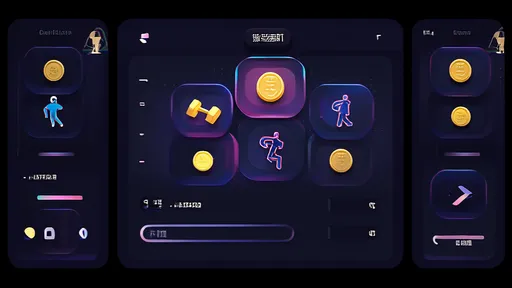
User experience is paramount in the design of these applications. Leading apps feature intuitive interfaces that allow runners to set their desired cadence manually or have it detected automatically via built-in sensors or wearable devices like smartwatches. Playlists can be curated based on BPM ranges, genre preferences, or even the intensity of the workout. For instance, a user might select a playlist with 170 BPM tracks for a steady-state run or opt for a mix that varies between 160 and 180 BPM for a fartlek session. Social features, such as sharing synchronized playlists with friends or joining virtual running clubs, add a community aspect that fosters motivation and accountability.
Despite their advantages, BPM-matching apps are not without challenges. One limitation is the dependency on a diverse and extensive music library to accommodate varying tastes and cadences. While major streaming services offer millions of songs, not all tracks are suitable for running, and BPM analysis can sometimes be inaccurate for complex or unconventional rhythms. Additionally, runners who prefer podcasts or audiobooks may find the focus on music less appealing. However, developers are continuously refining their algorithms and expanding content options to address these issues.
Looking ahead, the integration of artificial intelligence and machine learning promises to elevate these apps to new heights. Future versions could analyze a runner’s historical data—such as pace, heart rate, and fatigue levels—to generate personalized playlists that not only match cadence but also adapt to physiological responses in real time. Imagine an app that subtly increases the BPM during a climb to maintain effort or switches to calming tunes during cool-down. Such innovations could make music an even more powerful co-pilot in the pursuit of fitness goals.
In conclusion, music BPM and running cadence matching apps represent a significant advancement in fitness technology, blending science, psychology, and entertainment to enhance the running experience. By harnessing the innate connection between rhythm and movement, these tools help runners achieve better form, greater enjoyment, and improved performance. As technology continues to evolve, the harmony between beat and stride will likely become an indispensable part of every runner’s toolkit, turning each step into a note in a symphony of motion.

By /Aug 25, 2025
By /Aug 25, 2025
By /Aug 25, 2025

By /Aug 25, 2025
By /Aug 25, 2025
By /Aug 25, 2025

By /Aug 25, 2025

By /Aug 25, 2025
By /Aug 25, 2025

By /Aug 25, 2025

By /Aug 25, 2025
By /Aug 25, 2025

By /Aug 25, 2025

By /Aug 25, 2025
By /Aug 25, 2025
By /Aug 25, 2025
By /Aug 25, 2025

By /Aug 25, 2025

By /Aug 25, 2025
By /Aug 25, 2025
