Have you ever noticed how some people's faces turn into a vibrant shade of crimson after a workout, while others seem to maintain their normal complexion? This common yet intriguing phenomenon isn't just about fitness levels or exertion—it's a fascinating interplay of physiology, genetics, and individual bodily responses. The sight of a flushed face post-exercise often sparks curiosity, and understanding the science behind it reveals much about how our bodies adapt to physical stress.
When we engage in physical activity, our muscles demand more oxygen and nutrients to produce energy. To meet this increased demand, the heart pumps blood at a faster rate, and blood vessels expand to facilitate better circulation. This process, known as vasodilation, is crucial for delivering oxygen-rich blood to working muscles and carrying away waste products like carbon dioxide and lactic acid. However, this isn't limited to just the muscles; blood flow also increases to the skin, particularly the face, which has a dense network of capillaries close to the surface.
The primary reason for exercise-induced facial flushing is the body's effort to regulate its internal temperature. As you work out, your core temperature rises due to muscle activity. To prevent overheating, the body activates its cooling mechanisms. One of the most effective ways it does this is by redirecting warm blood to the skin's surface, where heat can dissipate into the surrounding air through a process called convection. The face, with its extensive vascular network and exposure to air, becomes a key area for this heat exchange. Consequently, the increased blood flow causes the skin to appear red or flushed.
Another factor contributing to post-exercise redness is the release of certain chemicals and hormones during physical exertion. For instance, the body produces nitric oxide, a compound that promotes vasodilation by relaxing the walls of blood vessels. This allows them to widen and accommodate more blood flow. Additionally, adrenaline, released as part of the body's stress response to exercise, can further enhance blood circulation to peripheral areas, including the face. These physiological responses are natural and indicate that your body is efficiently managing the demands of exercise.
Interestingly, not everyone experiences the same degree of flushing. Genetics play a significant role in determining how visibly one blushes during or after exercise. People with fair or light skin tones often show more pronounced redness because their skin has less melanin, the pigment that provides some camouflage to underlying blood vessels. In contrast, those with darker skin may still experience increased blood flow, but it might be less visible due to higher melanin content. Moreover, individual variations in capillary density and distribution can influence how prominently the flush appears.
Beyond genetics, factors like fitness level and exercise intensity also affect facial flushing. Beginners or those unaccustomed to regular physical activity might notice more redness because their cardiovascular system is less efficient at managing blood flow and temperature regulation. As fitness improves, the body becomes better at cooling itself, potentially reducing the intensity of flushing over time. Similarly, high-intensity workouts are more likely to cause significant flushing compared to moderate exercises, as they place greater demands on the body's systems.
It's worth noting that while exercise-induced flushing is generally harmless and temporary, it can sometimes be confused with other conditions. For example, some individuals might experience a condition called rosacea, which causes chronic facial redness and can be triggered by exercise, heat, or stress. However, rosacea typically involves other symptoms like bumps, visible blood vessels, or irritation, and it persists beyond the workout session. If flushing is accompanied by discomfort, dizziness, or unusual symptoms, it might be wise to consult a healthcare professional to rule out underlying issues.
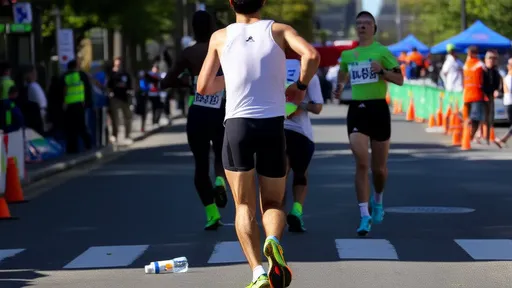
In many cultures, a flushed face after exercise is seen as a sign of a good workout or even vitality. It's a visible marker of the body's hard work and adaptation. Embracing this natural response can be empowering, as it highlights the dynamic processes occurring within us during physical activity. So, the next time you or someone else sports a rosy glow after a run or gym session, remember—it's your body's clever way of keeping cool and powering through the effort.
To sum up, facial flushing after exercise is a normal physiological response driven by increased blood flow, temperature regulation, and individual factors like skin tone and genetics. It underscores the incredible efficiency of the human body in responding to physical challenges. Rather than something to be self-conscious about, it's a testament to the complex and intelligent systems that allow us to stay active and healthy. So, wear that post-workout flush with pride—it's a badge of honor from your hardworking body.
By /Aug 25, 2025

By /Aug 25, 2025

By /Aug 25, 2025

By /Aug 25, 2025

By /Aug 25, 2025

By /Aug 25, 2025

By /Aug 25, 2025

By /Aug 25, 2025

By /Aug 25, 2025

By /Aug 25, 2025

By /Aug 25, 2025

By /Aug 25, 2025

By /Aug 25, 2025

By /Aug 25, 2025
By /Aug 25, 2025

By /Aug 25, 2025

By /Aug 25, 2025

By /Aug 25, 2025

By /Aug 25, 2025

By /Aug 25, 2025
