In an age where sleek touchscreens and minimalist design dominate the fitness landscape, a curious counter-movement is gathering steam. Across boutique gyms and home workout spaces, the unmistakable iron and steel of vintage exercise equipment is making a triumphant return. But this isn't merely nostalgia; it’s a sophisticated fusion of old-school mechanical integrity with cutting-edge digital intelligence. The marriage of retro exercise equipment with modern technology is creating a new breed of fitness tools that offer the tactile, visceral feedback of the past with the data-driven precision of the future.
The appeal of retro exercise equipment is multifaceted. There's a tangible, almost romantic quality to the clank of iron plates, the smooth arc of a solid metal cam, and the satisfying click of a pin selecting a weight stack. These machines, often built from solid steel with simple pulley systems and durable upholstery, were engineered to last for decades. They possess a mechanical honesty that modern, motorized equipment often lacks. Users speak of a more connected, intentional workout experience—a feeling of directly moving mass rather than fighting against hydraulic resistance or a digital motor. This physical connection to the workout provides a psychological satisfaction that pure data cannot replicate.
However, the limitations of these classic designs are also their defining characteristics. They are, by their very nature, "dumb" equipment. They offer no performance metrics, no way to track progress over time, and no connectivity to the digital ecosystems that modern fitness enthusiasts have come to rely on. You can push a heavy sled or complete a set on a vintage leg press, but the only record of your effort is your own muscle fatigue and memory. This is where the transformative power of modern technology enters the picture, not to replace the classic feel, but to augment and elevate it.
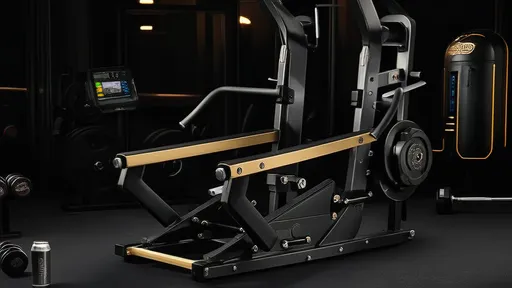
The integration begins with sensor technology. Discreet, high-precision sensors can be embedded into the very fabric of these retro machines. A strain gauge mounted on the main lifting arm of a classic pendulum squat machine can measure the force applied throughout the entire range of motion. A rotary encoder on the axle of a vintage-style air bike can track every revolution with impeccable accuracy. These sensors are the silent observers, collecting raw performance data without interfering with the authentic mechanical experience. The user still feels the raw, unadulterated resistance of the iron, but now that effort is being quantified.
This data is then processed by a small, onboard microprocessor—a black box of modern innovation tucked away inside a cast-iron housing. This unit takes the analog signals from the sensors—force, velocity, displacement, time—and converts them into a rich stream of digital metrics: power output in watts, calories burned, volume load, time under tension, and bar path. This is the crucial bridge between the physical and the digital, transforming a subjective feeling of a "good set" into an objective, analyzable dataset.
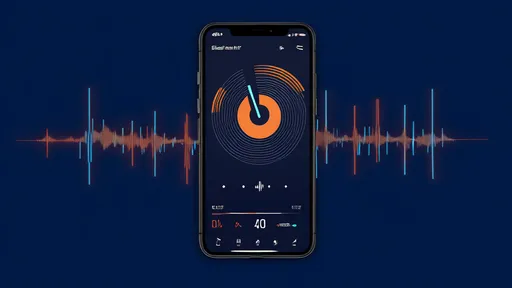
Connectivity is the next critical layer. Using low-energy Bluetooth or Wi-Fi modules, these retrofitted machines can seamlessly transmit their collected data to a companion smartphone app or a central gym management system. Imagine finishing a set on a beautifully restored 1970s-style leg press. Your phone, mounted on the handlebar, instantly updates with your repetition count, the average and peak power you generated, and a comparison to your previous session's performance. This data can be stored locally for personal review or uploaded to the cloud, allowing for long-term trend analysis and remote coaching insights. The iron remembers, and now it can talk.
The user experience is designed to be unobtrusive. The goal is to enhance, not distract. Feedback is often delivered through simple LED indicator lights that can show if you're hitting target power zones or through subtle audio cues. The primary interface remains the familiar, sweat-stained handles and heavy plates. The technology serves in the background, empowering the user with information while preserving the purity of the physical exertion. This stands in stark contrast to staring at a large screen on a modern console, which can often disconnect the user from the kinesthetic feel of the movement.
This fusion is also breathing new life into the manufacturing and restoration industries. Specialty firms now offer "retro-fitting" services, where they take classic equipment from brands like York, Ivanko, or even old Universal Gym systems and install these smart sensor packages. Furthermore, new companies are emerging that build brand-new equipment from the ground up, but using classic, rugged designs and materials, with the smart technology fully integrated from the initial blueprint. They are crafting modern classics—machines that look and feel like they belong in a golden era of bodybuilding but possess the intelligence of a Silicon Valley startup.
For gym owners, this trend presents a unique value proposition. It allows them to create a distinctive, authentic atmosphere that stands out from the sterile, corporate feel of big-box health clubs. They can offer a training environment that appeals to both purists who love the iron and tech-savvy millennials who demand metrics and connectivity. This hybrid approach can attract a broader membership base and create a powerful brand identity rooted in quality, heritage, and innovation.
On a broader cultural level, this movement reflects a growing desire for authenticity and sustainability in a disposable world. Instead of discarding perfectly functional, magnificently built old equipment, we are upgrading it. We are valuing craftsmanship and longevity, choosing to imbue old objects with new capabilities rather than replace them entirely. It’s a philosophy that respects the past while eagerly embracing the tools of the future.
In conclusion, the fusion of retro exercise equipment and modern tech is far more than a gimmick. It is a thoughtful and sophisticated response to the evolving needs and desires of fitness enthusiasts. It satisfies a deep-seated human craving for tangible, mechanical interaction while providing the quantitative feedback necessary for optimized training. This synergy creates a more engaging, effective, and ultimately more human workout experience. It proves that progress doesn't always mean abandoning the past; sometimes, it means wiring it into the future, ensuring that the clank of iron will continue to be heard, now accompanied by the silent, insightful hum of data.

By /Aug 25, 2025
By /Aug 25, 2025
By /Aug 25, 2025

By /Aug 25, 2025
By /Aug 25, 2025
By /Aug 25, 2025

By /Aug 25, 2025

By /Aug 25, 2025

By /Aug 25, 2025

By /Aug 25, 2025

By /Aug 25, 2025

By /Aug 25, 2025
By /Aug 25, 2025

By /Aug 25, 2025

By /Aug 25, 2025
By /Aug 25, 2025
By /Aug 25, 2025

By /Aug 25, 2025
By /Aug 25, 2025

By /Aug 25, 2025
