In the ancient wisdom of Ayurveda, the concept of Doshas forms the cornerstone of understanding individual constitution and health. These three biological energies—Vata, Pitta, and Kapha—govern all physical and mental processes, providing every person with a unique blueprint for health and fulfillment. Each Dosha combines two of the five universal elements (ether, air, fire, water, and earth) and manifests in specific physiological and psychological characteristics. Recognizing one's dominant Dosha or the current state of imbalance is essential for making informed dietary choices that promote harmony and vitality. The Ayurvedic approach to nutrition is not about rigid rules but about tuning into the body's innate intelligence and the rhythms of nature.
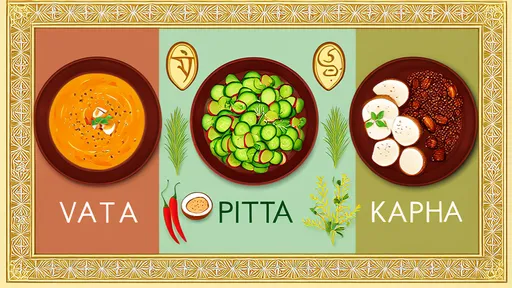
Vata, composed of air and ether, embodies the qualities of movement, lightness, dryness, and cold. Individuals with a predominant Vata constitution are often creative, energetic, and quick-thinking when in balance, but they may experience anxiety, insomnia, or digestive issues like bloating and constipation when out of sync. To counter Vata's inherent instability, the diet should emphasize grounding, nourishing, and warming foods. Cooked grains such as oats, rice, and quinoa provide a stable energy release, while root vegetables like sweet potatoes, carrots, and beets offer earthiness and sustenance. Healthy fats from ghee, olive oil, and avocados are crucial for lubricating the dry quality of Vata, and warm, moist cooking methods like stewing, steaming, and baking are preferred over raw or cold preparations. Soothing spices such as ginger, cinnamon, and cardamom not only enhance digestion but also infuse meals with comforting warmth. Regular meal times and a calm eating environment further support Vata's need for routine and tranquility.
Pitta, born from fire and water, governs metabolism, transformation, and digestion. Those with a strong Pitta influence are typically sharp, focused, and passionate, with a strong appetite for both food and life. However, excess Pitta can lead to irritability, inflammation, acid reflux, or skin rashes. Cooling, hydrating, and mildly spiced foods help temper Pitta's fiery nature. Sweet, bitter, and astringent tastes are particularly beneficial, found in fruits like melons, grapes, and coconuts, and vegetables such as cucumbers, leafy greens, and broccoli. Dairy products like milk and ghee (in moderation) can have a cooling effect, while sharp spices like chili and black pepper should be used sparingly in favor of coriander, fennel, and mint. Raw foods and salads are acceptable for Pitta types, especially in warm weather, but overly oily or fried foods may aggravate the Dosha. Meals should be consumed in a relaxed setting to prevent the "fire" of digestion from flaring up excessively.
Kapha, a blend of water and earth, provides structure, stability, and lubrication to the body. Kapha-dominant individuals are usually calm, strong, and compassionate, with robust physical endurance. When Kapha accumulates, it can manifest as weight gain, lethargy, congestion, or attachment. To balance Kapha's heavy, slow, and cool qualities, the diet should focus on light, warm, and stimulating foods. Pungent, bitter, and astringent tastes help ignite digestion and reduce stagnation. Light grains like barley and millet are preferable to heavy wheat or rice, and a variety of legumes provide protein without excess moisture. Most vegetables, especially leafy greens, peppers, and radishes, are excellent, while sweet, sour, or overly salty foods should be minimized. Spices play a key role here—ginger, black pepper, turmeric, and mustard seeds can kindle the digestive fire and counteract Kapha's sluggishness. Fasting or lighter meals may be beneficial, and vigorous exercise before eating can enhance appetite and metabolism.
Beyond these general guidelines, Ayurveda emphasizes the importance of mindful eating practices that honor the digestive fire, or Agni. Eating seasonal, locally grown foods ensures alignment with nature's cycles, while considering one's age, activity level, and current health status allows for personalized adjustments. The six tastes—sweet, sour, salty, bitter, pungent, and astringent—should be included in every meal to satisfy nutritional needs and promote satiety. Ultimately, Ayurvedic nutrition is a journey of self-discovery, inviting each individual to become more attuned to their body's signals and the subtle interplay of the Doshas. By making conscious food choices, we not only nourish our physical form but also cultivate a deeper sense of balance, peace, and connection to the world around us.

By /Aug 20, 2025

By /Aug 20, 2025
By /Aug 20, 2025

By /Aug 20, 2025

By /Aug 20, 2025

By /Aug 20, 2025

By /Aug 20, 2025

By /Aug 20, 2025

By /Aug 20, 2025

By /Aug 20, 2025

By /Aug 20, 2025

By /Aug 20, 2025

By /Aug 20, 2025

By /Aug 20, 2025

By /Aug 20, 2025

By /Aug 20, 2025

By /Aug 20, 2025

By /Aug 20, 2025

By /Aug 20, 2025

By /Aug 20, 2025
