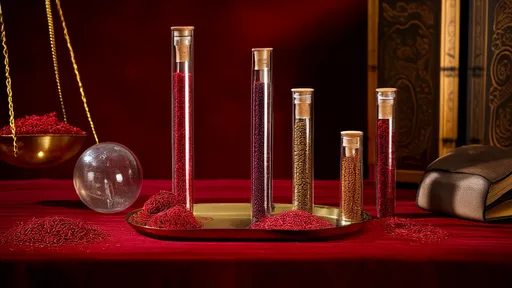
In the bustling spice markets of Iran, the quest for authentic saffron is both an art and a science. As one of the world's most precious spices, saffron commands a high price, making it a frequent target for adulteration. For discerning buyers, knowing how to verify its purity through simple yet effective methods like the water test and a thorough evaluation of its color, aroma, and taste strength is essential. This guide delves into these techniques, offering practical insights to help you identify genuine Iranian saffron and avoid counterfeit products.
The water test stands as one of the most reliable and accessible methods to distinguish real saffron from fake. To perform this test, take a few strands of saffron and place them in a small glass of warm or room-temperature water. Authentic saffron will slowly release a rich, golden-yellow or deep orange-red hue into the water, coloring it gradually without dissolving the threads completely. The color dispersion should be even and steady, often taking several minutes to fully develop. In contrast, adulterated or fake saffron, which may contain dyes or other substances like safflower or turmeric, will leach color too quickly, sometimes turning the water bright red or yellow almost instantly. Additionally, low-quality fakes might leave visible dye streaks or cause the water to become cloudy. Observing the behavior of the threads is also crucial; genuine saffron threads tend to retain their shape and may even appear slightly swollen after soaking, whereas imitation strands might disintegrate or bleed artificial colors erratically.
Beyond the initial water test, assessing the color strength of saffron provides further confirmation of its quality. Authentic Iranian saffron, particularly the coveted Sargol grade, should impart a intense and vibrant color to water or food. After soaking, the liquid ought to exhibit a clear, luminous yellow-orange tone without any murkiness or sediment. This coloring power is primarily due to the compound crocin, which is abundant in high-grade saffron. To gauge this quantitatively, you can rub a few strands between your fingers; real saffron will leave a distinct yellow stain that is not overly oily or gritty. Another method is to add a pinch of saffron to milk or a neutral broth and observe the resulting color—it should be strong and pure, not faint or off-hue. The persistence of the color is equally important; genuine saffron's tint should remain stable and not fade significantly over time, indicating a high concentration of natural pigments and the absence of synthetic dyes.
The aroma of saffron is another definitive marker of its authenticity and origin. True Iranian saffron emits a complex, potent fragrance that is often described as a harmonious blend of floral, honey-like, and earthy notes with a subtle metallic undertone. When you inhale the scent of dry threads, it should be strong yet pleasant, without any chemical or musty odors. To test the aroma strength, crush a couple of strands in your palm—the smell should intensify immediately, releasing its characteristic perfume. Adulterated saffron, on the other hand, may smell weak, overly sweet, or artificial, sometimes reminiscent of hay or iodine due to added fillers. When added to warm water, genuine saffron will perfume the air around it with a rich, inviting bouquet that lingers, whereas fake versions might produce little to no fragrance or an unpleasant, sharp smell that dissipates quickly. This olfactory evaluation is not just about strength but also about the complexity and depth that are hallmarks of saffron grown in Iran's ideal climatic conditions.
Finally, the taste test offers the most personal and conclusive assessment of saffron's quality. Authentic Iranian saffron has a unique flavor profile that is distinctly bitter yet pleasantly sweet, with hints of floral and earthy tones. To taste it safely, steep a few threads in hot water for several minutes, then sip the infused liquid. The bitterness should be noticeable but not overwhelming, followed by a sweet aftertaste that lingers on the palate. This balance is key, as excessively bitter or bland flavors often indicate poor quality or adulteration. Additionally, genuine saffron should not leave any gritty or powdery residue in the mouth, suggesting it is free from additives like sand or turmeric. The taste strength should be robust enough that only a small amount is needed to flavor a dish, reflecting its high potency. If the saffron tastes metallic, overly harsh, or lacks depth, it is likely counterfeit or of inferior grade. Combining this taste evaluation with the color and aroma tests will give you a comprehensive understanding of the saffron's authenticity.
Mastering these simple yet effective tests—observing the color release in water, evaluating the hue intensity, savoring the complex aroma, and discerning the balanced taste—empowers you to make informed choices when purchasing Iranian saffron. While these methods are highly reliable for everyday verification, remember that for absolute certainty, especially with large quantities, professional laboratory testing can detect sophisticated adulterations. However, by honing your senses and applying these techniques, you can confidently navigate the market, ensuring that you bring home the true crimson treasure of Iran, renowned for its unparalleled quality and rich cultural heritage.
By /Aug 20, 2025
By /Aug 20, 2025
By /Aug 20, 2025
By /Aug 20, 2025
By /Aug 20, 2025
By /Aug 20, 2025
By /Aug 20, 2025
By /Aug 20, 2025
By /Aug 20, 2025
By /Aug 20, 2025
By /Aug 20, 2025
By /Aug 20, 2025
By /Aug 20, 2025
By /Aug 20, 2025
By /Aug 20, 2025
By /Aug 20, 2025
By /Aug 20, 2025
By /Aug 20, 2025
By /Aug 20, 2025
By /Aug 20, 2025
